BOM
BOM
 My Request
AI Hardware Needs More Than GPUs: Why Electronic Components Matter
Contents
When people talk about AI hardware, the conversation almost always starts with GPUs. NVIDIA's AI accelerators remain in high demand, cloud providers continue expanding their data centers. It seems that much of the industry's attention has been focused on the GPUs.
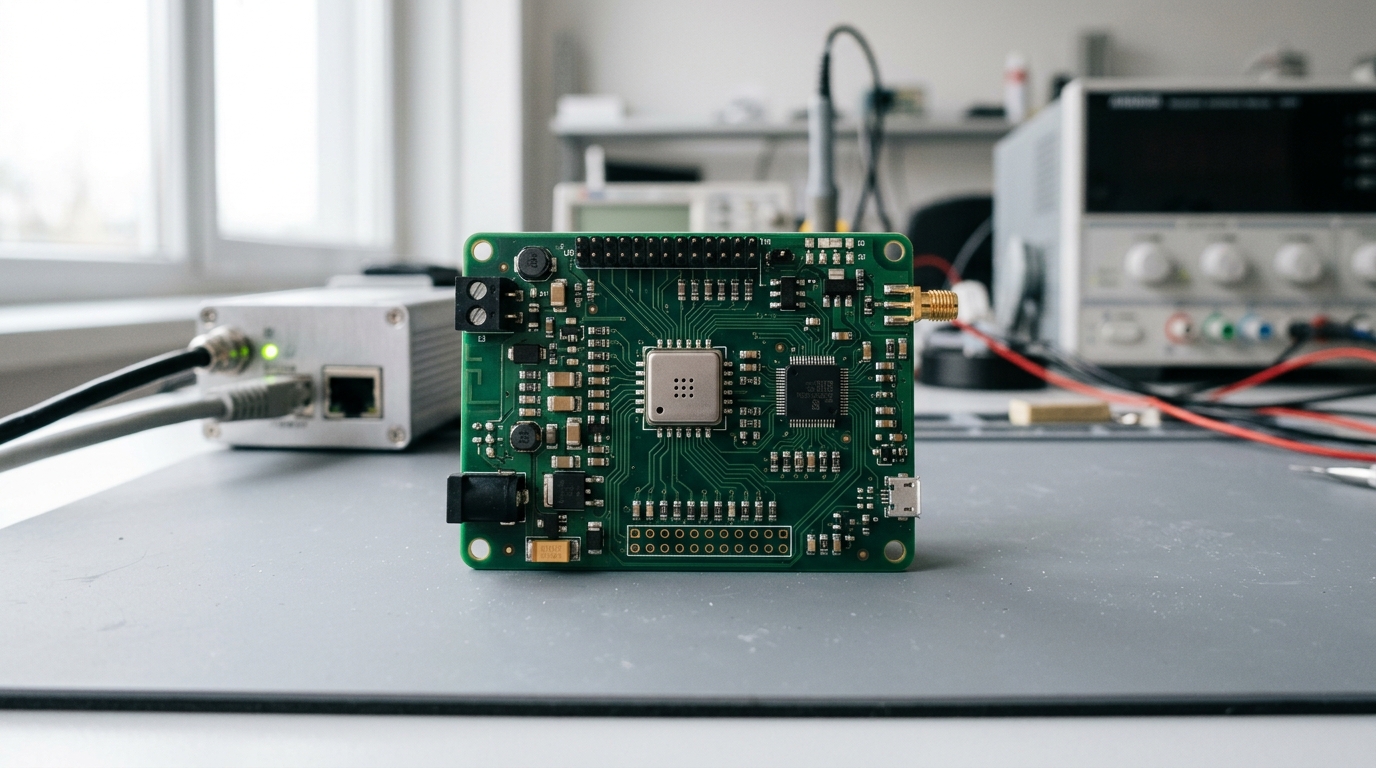
Yet a GPU is only one part of an AI system. AI development depends on much more than computing power alone. Reliable operation depends on hundreds of supporting electronic components working together. Memory devices, power management circuits, connectors, protection components and passive devices rarely get attention, but they are necessary for building stable AI hardware.
AI Hardware Is Becoming More Than GPUs
An AI server is far more than processors and memory modules. As WAIC 2026 showed, the key point of the applications of AI isn't just GPUs, but the combination of each hardware. High-speed interfaces such as PCIe, DDR5 and Ethernet require stable power delivery and signal integrity to maintain reliable data transmission.
Edge AI devices follow the same principle. Smart cameras, industrial gateways, machine vision systems and embedded controllers process data locally instead of sending everything to the cloud. These systems combine processors with memory, sensors, communication interfaces and power management circuits in a compact design. Therefore, the challenge is no longer limited to computing. Signal integrity, power stability and long-term reliability have become equally important during hardware development.
The Supply Components Is Expanding Alongside AI
The growth of AI hardware is creating demand well beyond processors.
Non-volatile memory devices such as EEPROM and Flash store boot code, firmware and calibration parameters. Even after power is removed, these devices preserve critical system information and allow equipment to recover quickly after restart.
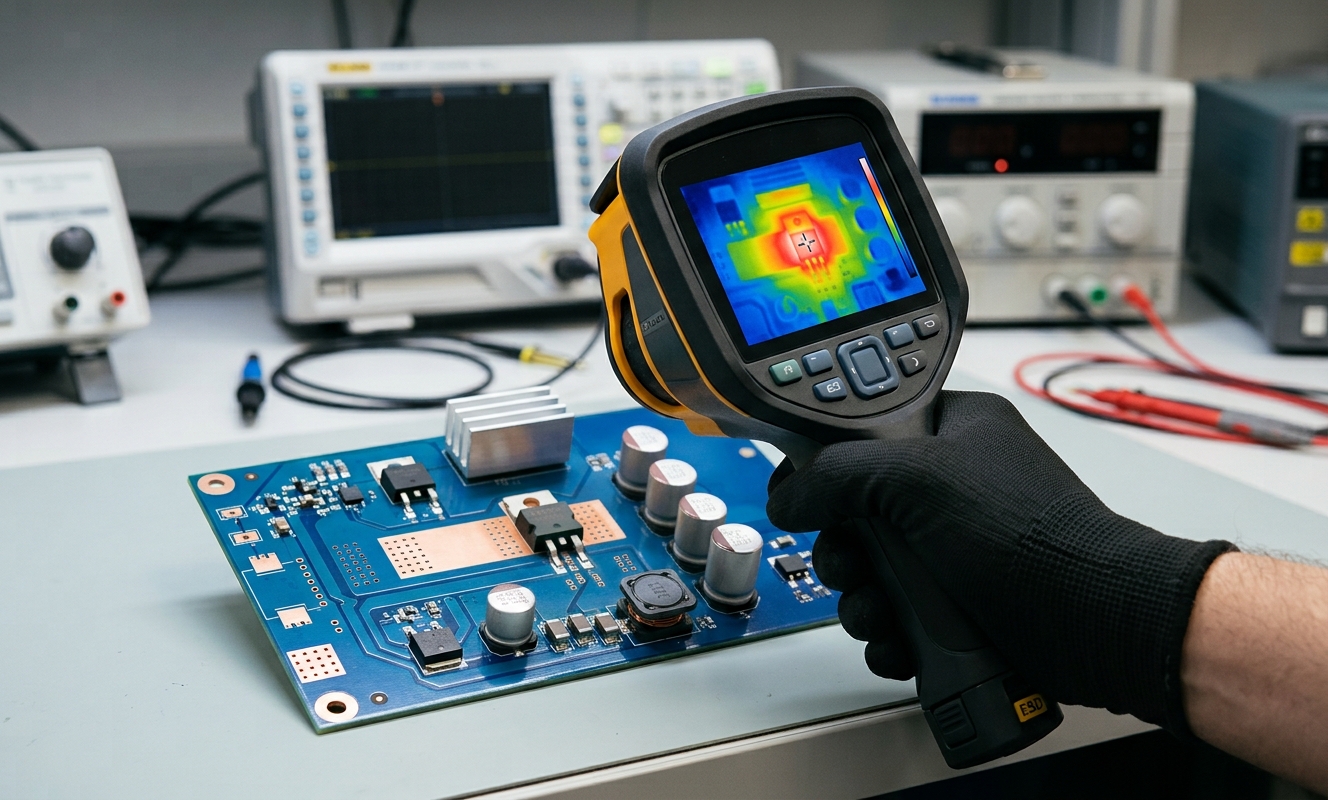
Power management components are equally important. MOSFETs, inductors and capacitors regulate voltage throughout the system, helping processors and memory operate within their required electrical limits. Small voltage fluctuations may reduce system stability during continuous high-load operation.
Although these components receive far less attention than AI processors, they directly influence system reliability and service life.
The rapid growth of AI infrastructure is reshaping demand across the semiconductor industry. Companies developing AI hardware are not only looking for faster processors but also for reliable memory devices, stable power solutions, high-quality connectors and dependable circuit protection components.
For industrial applications, component availability and product life are expected to remain in service for a long time. At the same time, with the rapid development of science and technology, more hardware is needed to be updated, making long-term supply stability an important consideration during component selection.
Electronic Components for AI Hardware at XMAGELEC
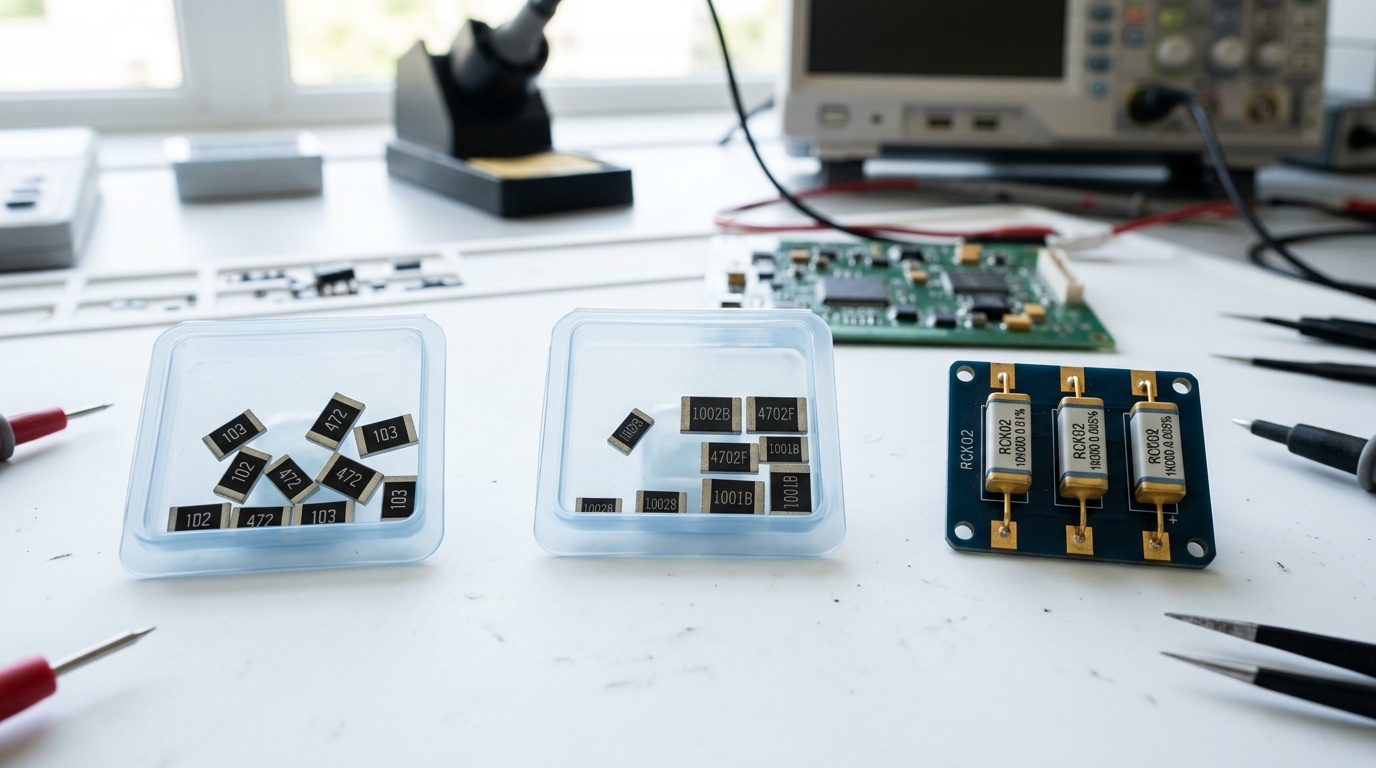
XMAGELEC supplies a broad portfolio of electronic components for intelligent hardware development, including integrated circuits, memory devices, circuit protection devices, connectors, capacitors, inductors, sensors and many other semiconductor components.
These products support applications such as industrial automation, embedded systems, communication equipment and intelligent electronic products.
If you are in demand for electronic components, you can enter our website to know more.